
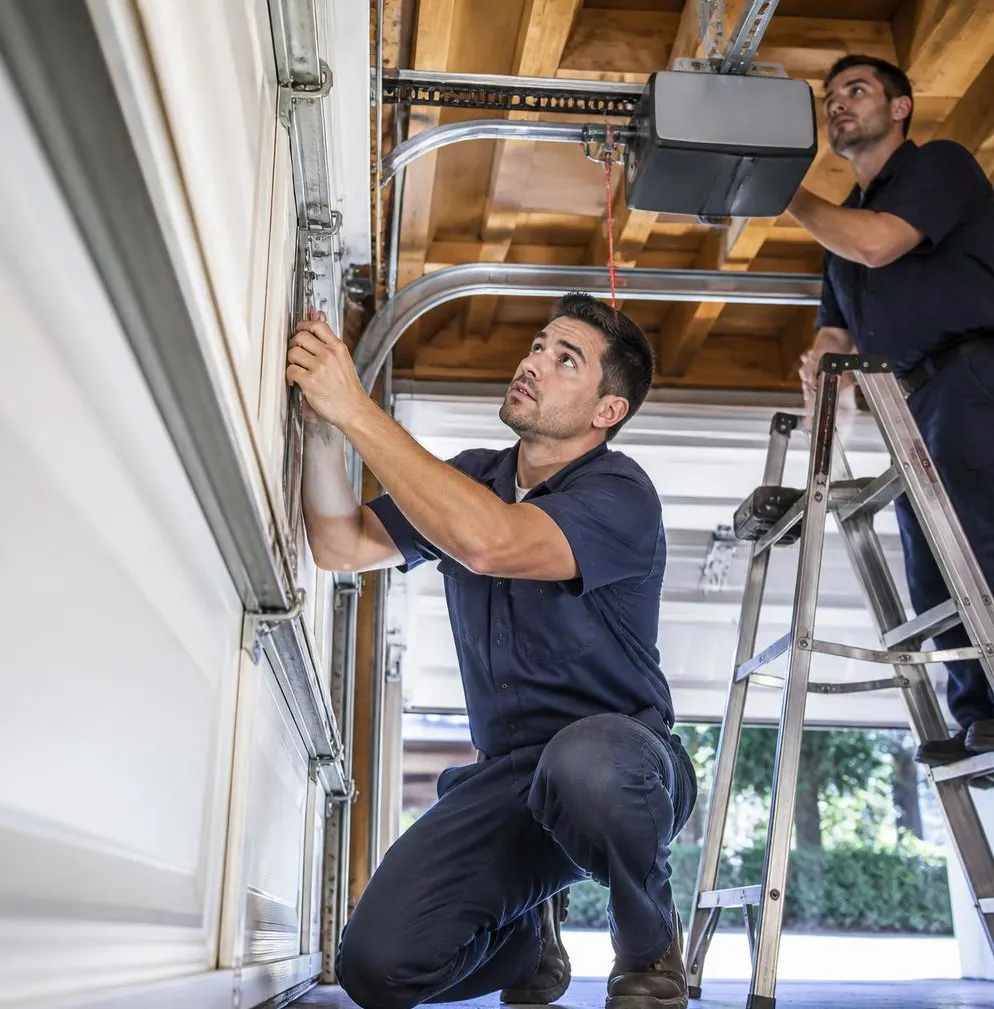
The Mistake Most People Make First
Here's how it usually goes: one of you finds a garage door style online — maybe something with windows, maybe a modern flush-panel look — and falls in love with it before anyone checks whether it's allowed. It's the fun part. Picking color and style feels like the decision. Permits and wind ratings feel like paperwork you can deal with later.
The problem is that "later" sometimes means after you've already paid a deposit, and then you find out the door isn't rated for your area, or your HOA has a style restriction, or the installer needs a permit pulled before they can start. Settling this before you shop saves an argument and a restocking fee.
Does a New Garage Door Actually Need a Permit?
This depends on what's changing, not just that a door is being replaced:
- Straight swap, same size, same opening: Many straightforward replacements — same dimensions, same wall opening, no structural changes — don't trigger a permit. This is the most common residential job.
- Changing the size of the opening, header, or framing: If the new door is a different width or height, or the header needs to be modified, that's structural work and typically does require a permit and inspection.
- New electrical circuit for an opener: Adding a dedicated outlet or running new wiring for a garage door opener can require an electrical permit, separate from the door itself.
- Earthquake retrofit work: If the garage door replacement is bundled with seismic bracing or retrofit work on the house, that's its own permit category and usually isn't optional.
The honest answer for "do we need a permit" is: call your local building department before you order the door, not after. It's a five-minute phone call, and it's free. Don't let a salesperson's guess substitute for that call — a reputable installer will tell you to check, not promise you it's fine.
Wind Load Ratings: Why They're Not Optional Here
Garage doors are rated for wind load — essentially, how much pressure the door and its track can withstand before the panels buckle or the door comes off its rollers. In coastal California this matters because of storms; in the High Desert it matters because of sustained wind and sudden gusts, especially during the dry season when wind also kicks up dust.
A few things worth knowing:
- Not every door sold online or at a big box store is rated the same way. Cheaper doors often have lighter gauge steel and fewer reinforcing struts, which matters more once wind gets involved, not less.
- Double-wide doors (the kind covering a two-car garage) flex more under wind pressure than single doors, so the bracing and track hardware matter even more on those.
- If your garage faces the prevailing wind direction, or sits exposed without a windbreak, that's a real reason to ask for a higher wind-rated option — not an upsell tactic.
This is the part of the argument that's easiest to get wrong, because the door that looks fine in a showroom photo doesn't tell you anything about its wind rating. Ask for the rating in writing, and ask what gauge steel and how many struts come standard versus upgraded.
What HOA Rules Usually Cover
If your property is in an HOA, the building department's approval doesn't mean the HOA has to approve it too — those are two separate checks. HOAs commonly restrict:
- Color: many HOAs require doors to match an approved palette or the trim color of the house.
- Style and window placement: some associations limit which panel styles or window shapes are allowed, especially on street-facing garages.
- Material: a few require specific materials or finishes for uniformity across the neighborhood.
None of this is standardized — every HOA writes its own rules, so there's no shortcut except reading your actual governing documents or asking the HOA board directly. If you skip this step and install the door you want, the risk isn't just an awkward letter — some associations can require you to remove and replace a non-compliant door at your own cost.
The Order That Avoids the Argument
- Check with your HOA (if you have one) for style, color, and material rules.
- Call the local building department to ask if your specific replacement needs a permit.
- Ask your installer for the wind load rating and construction details of any door you're considering, especially if your garage is exposed to wind or sits in an area prone to dust storms during dry months.
- Then pick windows, color, and style from whatever's left that satisfies all three.
Doing it in this order means nobody has to backtrack on a decision they already got attached to.
When to Call Barstow Garage Door Specialists
If you're not sure whether your planned replacement needs a permit, or you want a door with a wind rating suited to an exposed High Desert lot, that's exactly the kind of question to ask before you buy. Barstow Garage Door Specialists can walk a Garage Door Installation through the practical side — what's a straight swap versus what needs structural or electrical work — and can also handle Garage Door Opener Repair & Installation if your project includes new wiring. We'll tell you plainly if a permit applies to your situation rather than guessing, and we'll show you the wind-rating paperwork on any door we recommend.
If you're in Barstow, Lenwood, Yermo, Daggett, Newberry Springs, Hinkley, Hodge, or Helendale and you're trying to settle this before you commit to a door, give Barstow Garage Door Specialists a call. We'll help you sort out what's actually required so you can make the decision once.